

AI task management software for remote teams helps distributed teams prioritize work, automate handoffs, and keep projects moving without constant status meetings. Remote work has fundamentally changed how teams collaborate and manage projects. With 42% of the U.S. workforce working remotely full-time and 82% working hybrid schedules according to FlexJobs, having the right project management tools is no longer optional—it's essential for business survival and success. This comprehensive guide reviews the 25 best project management tools specifically designed for remote teams, helping you choose the perfect solution for your organization.
Why Remote Teams Need Specialized Project Management Tools
Traditional project management approaches often fall short in remote environments. Without face-to-face interactions, water cooler conversations, and physical presence, teams need digital tools that can replicate and enhance in-person collaboration while addressing unique remote work challenges.
Remote Team Challenges That Project Management Tools Solve
Our Evaluation Criteria
We evaluated each project management tool based on specific criteria that matter most to remote teams. Our assessment considered ease of use, collaboration features, integration capabilities, pricing, and customer support quality.
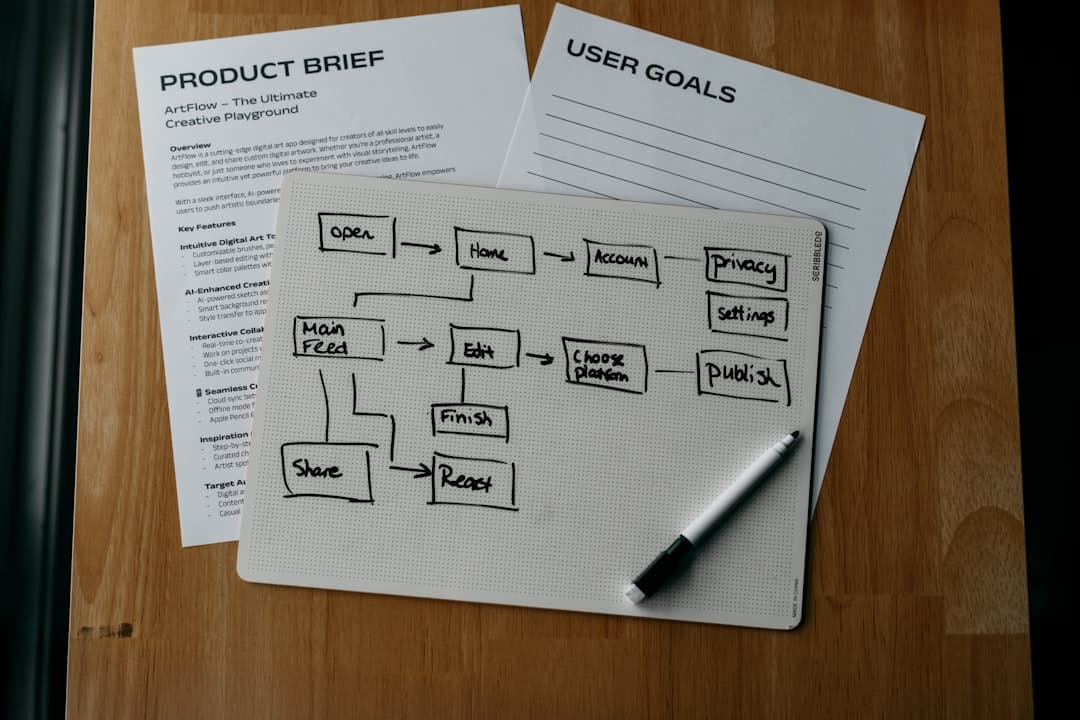
Evaluation Framework
| Criteria | Weight | What We Measured |
|---|---|---|
| Ease of Use | 25% | Learning curve, interface design, mobile experience |
| Collaboration Features | 25% | Real-time collaboration, communication tools, file sharing |
| Project Management | 20% | Task management, scheduling, resource allocation |
| Integrations | 15% | Third-party app connections, API availability |
| Value for Money | 15% | Pricing structure, feature availability at each tier |
Top 10 Project Management Tools for Remote Teams
1. Asana - Best Overall for Remote Teams
Asana consistently ranks as the top choice for remote teams due to its perfect balance of functionality and usability. With over 100,000 organizations using Asana, it offers comprehensive project management capabilities without overwhelming complexity.
Pros
- • Intuitive interface with minimal learning curve
- • Multiple project views (list, board, timeline, calendar)
- • Robust free plan for teams up to 15 members
- • Advanced search and filtering capabilities
- • Excellent mobile apps for iOS and Android
Cons
- • Limited reporting features in lower tiers
- • Can become cluttered with large projects
- • Time tracking requires third-party integrations
- • Advanced features locked behind higher pricing
Pricing: Free (up to 15 team members), Premium ($10.99/user/month), Business ($24.99/user/month)
2. Monday.com - Best for Visual Project Management
Monday.com excels at making project data visual and actionable. Its colorful, intuitive interface helps remote teams stay aligned on project status and priorities at a glance.
Key Features
- • Customizable dashboards and workflows
- • Advanced automation capabilities
- • Time tracking and resource management
- • Guest access for external collaborators
- • Gantt charts and timeline views
- • Form builder for data collection
- • Advanced reporting and analytics
- • White-label options for agencies
Pricing: Basic ($8/user/month), Standard ($10/user/month), Pro ($16/user/month), Enterprise (custom)
3. Trello - Best for Simple Kanban-Style Management
Trello pioneered the digital Kanban board approach and remains the go-to choice for teams that prefer visual, card-based project management. Its simplicity makes it ideal for remote teams that need to get started quickly.
"Trello's strength lies in its simplicity. When remote teams need to visualize workflow without complexity, Trello delivers exactly what's needed without unnecessary features that create confusion."— Project Management Best Practice
4. Slack - Best for Communication-Centric Teams
While primarily a communication platform, Slack has evolved into a comprehensive collaboration hub with project management capabilities through integrations and built-in features.
5. ClickUp - Best All-in-One Solution
ClickUp positions itself as the "one app to replace them all," offering comprehensive project management, document collaboration, goal tracking, and time management in a single platform.
Specialized Tools for Specific Use Cases

Development Teams
6. Jira - Best for Software Development
Jira remains the gold standard for software development project management. Its integration with development tools and support for Agile methodologies makes it indispensable for remote development teams.
7. GitHub Projects - Best for Code-Centric Teams
GitHub Projects seamlessly integrates project management with code repositories, making it perfect for development teams that want to keep everything in one place.
Creative Teams
8. Notion - Best for Knowledge Management
Notion combines project management with documentation, making it ideal for creative teams that need to manage projects while maintaining extensive knowledge bases.
9. Figma - Best for Design Projects
While primarily a design tool, Figma includes project management features specifically tailored for design workflows and creative collaboration.
Enterprise Teams
10. Microsoft Project - Best for Complex Enterprise Projects
Microsoft Project offers advanced project management capabilities for large-scale enterprise projects with complex dependencies and resource requirements.
Complete Tool Comparison Matrix
Here's a comprehensive comparison of all 25 tools to help you make an informed decision:
| Tool | Best For | Starting Price | Free Plan | Rating |
|---|---|---|---|---|
| Asana | Overall remote teams | $10.99/user | ★★★★★ | |
| Monday.com | Visual management | $8/user | ★★★★☆ | |
| Trello | Simple Kanban | $5/user | ★★★★☆ | |
| ClickUp | All-in-one solution | $7/user | ★★★★☆ | |
| Jira | Software development | $7.75/user | ★★★★☆ |
The Complete List of 25 Project Management Tools
Here are all 25 tools we evaluated, organized by category:
General Project Management
- Asana
- Monday.com
- Trello
- ClickUp
- Basecamp
- Wrike
- Smartsheet
- Teamwork
- Zoho Projects
- ProofHub
Specialized Tools
- Jira (Development)
- GitHub Projects (Code)
- Notion (Knowledge)
- Airtable (Database)
- Microsoft Project (Enterprise)
- Slack (Communication)
- Linear (Modern Dev Teams)
- Height (Visual Workflows)
- Todoist (Task Management)
- Nifty (Client Work)
Emerging and Niche Tools
- Coda (Document-based)
- Craft (Mac-focused)
- TickTick (Personal/Small Teams)
- MeisterTask (Mind Mapping)
- Fibery (No-code Platform)
How to Choose the Right Tool for Your Remote Team
Selecting the perfect project management tool requires careful consideration of your team's specific needs, working style, and growth plans. Use this decision framework to guide your choice:
Step-by-Step Selection Process
Assess Your Team Size and Structure
Consider current team size, projected growth, and organizational structure (flat vs. hierarchical)
Define Your Project Complexity
Simple task lists, complex dependencies, resource management, or multi-project portfolios
Evaluate Integration Requirements
List all tools your team currently uses and prioritize seamless integrations
Set Budget Parameters
Consider both current costs and scaling expenses as your team grows
Implementation Best Practices for Remote Teams
Choosing the right tool is only half the battle. Successful implementation requires change management, training, and ongoing optimization.
Implementation Success Factors
Future of Project Management Tools
The project management software landscape continues evolving rapidly. Artificial intelligence, automation, and enhanced remote collaboration features are shaping the next generation of tools.
Emerging Trends to Watch
- AI-Powered Automation: Intelligent task assignment and deadline prediction
- Voice Integration: Voice commands and audio-first collaboration
- VR/AR Collaboration: Immersive project visualization and team meetings
- Advanced Analytics: Predictive project insights and performance optimization
- No-Code Customization: User-friendly workflow and automation builders
Conclusion: Choose Wisely, Implement Successfully
The right project management tool can transform your remote team's productivity, collaboration, and overall success. However, the "best" tool is the one that fits your specific team dynamics, project requirements, and organizational culture.
Start with the tools that scored highest in our evaluation—Asana for overall excellence, Monday.com for visual teams, and Trello for simplicity. Test their free plans, involve your team in the decision process, and prioritize user adoption over feature complexity.
Remember that successful remote project management is about more than just tools—it's about creating systems, processes, and culture that enable your distributed team to thrive. The right project management tool is your foundation, but your team's commitment to using it effectively will determine your ultimate success.
Ready to Transform Your Remote Team's Productivity?
Don't let poor project management hold your remote team back. Start your free trial with one of our top-rated tools today and experience the difference proper organization can make.